Give the stupa more than a distant glance
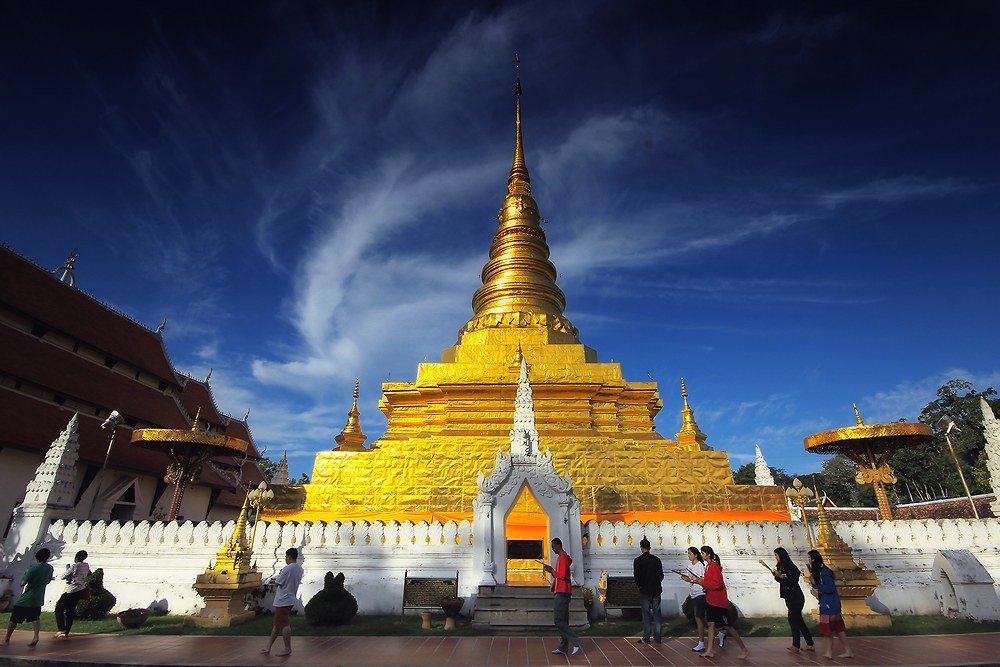
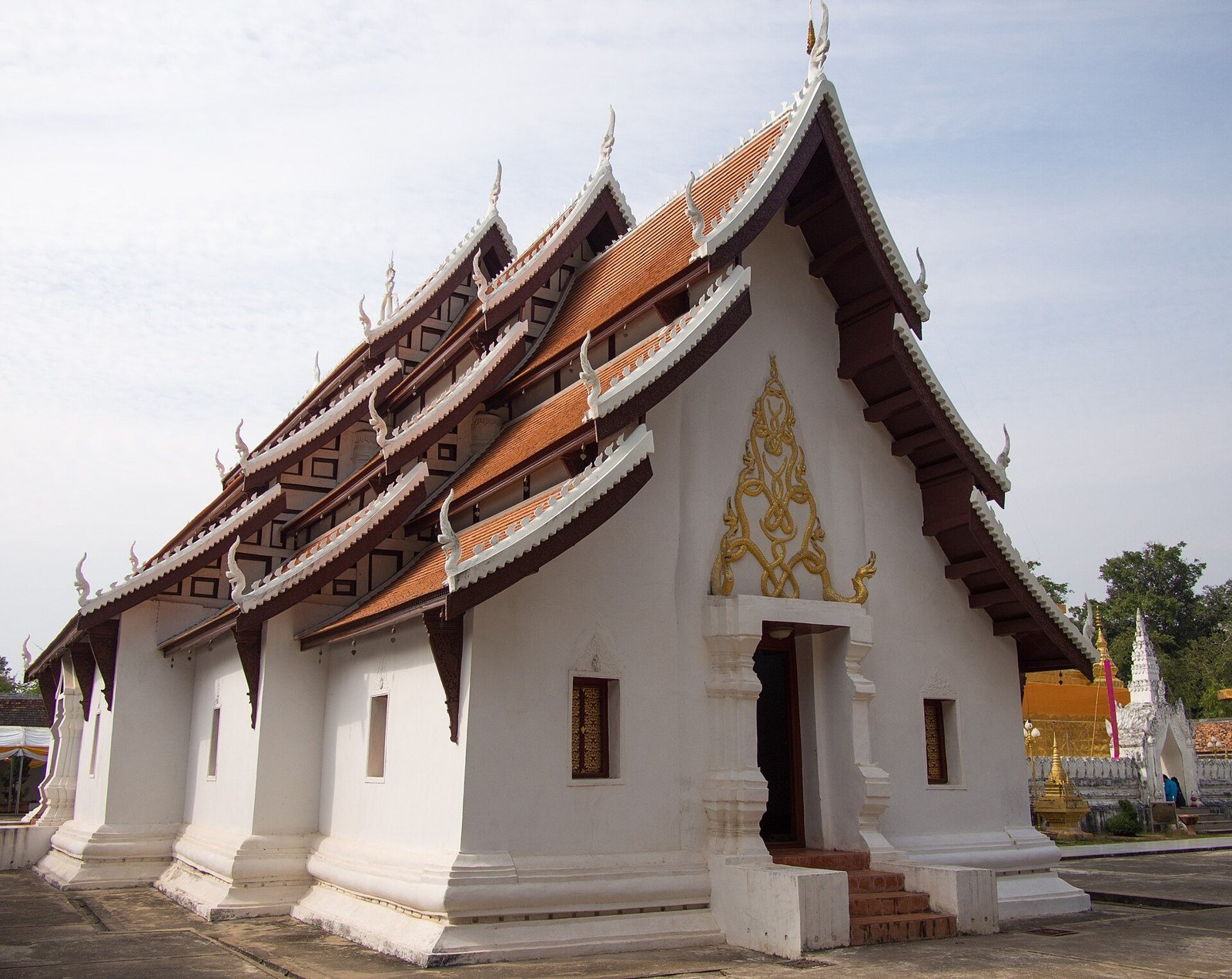
TAT highlights the golden stupa and the distinctive naga decoration above the hall entrance. The Nan provincial commerce office explains that the stupa’s form reflects the influence of Phra That Hariphunchai and describes metal cladding around it. These details give an art-focused visit a direction beyond photographing the tallest feature.
Look at the relationship between the layered base, the main stupa and the surrounding buildings from the public viewing areas. Then turn attention to the entrance decoration. This is an editorial way to compare structure and ornament; it does not imply that visitors can enter the stupa or approach every part of its base.
Keep belief separate from a travel promise
The temple is associated with the Year of the Rabbit in northern Thai religious tradition. TAT and Nan government accounts describe that association. It explains why the site matters to many worshippers, whether or not their journey is part of a wider temple circuit.
The relic tradition links the site with Nan’s historical relationship to Sukhothai. Such accounts belong to the temple’s religious and historical context. They should not be read as promises of health, good fortune or other outcomes for a visitor. Someone interested in art can appreciate the monument while respecting that other people have come principally to worship.
The older restoration story has an ending
A Nan government report from November 2023 says restoration following earthquake-related damage had been completed and a celebration was held that year. It describes the earlier problem as a leaning upper element and broken supporting wires following earthquakes in 2019 and 2021.
That report provides useful context for older photographs showing work around the stupa. It does not establish that every repair or maintenance task is finished forever. Use present-day access instructions at the site, and do not infer an ongoing closure solely from an old restoration image.
Cross the river as a planned transfer
The provincial information page places the temple on the Nan–Mae Charim road, Highway 1168, after crossing the river from town. This is the practical geographical distinction from Wat Phumin. The two temples may fit one Nan day, but the river crossing and the onward road leg need transport of their own.
A car and driver, taxi or other transport arrangement should include the return journey rather than relying on finding an immediate onward ride at the temple. No fixed fare, public-service frequency or door-to-door travel time is promised here. A location described as “Nan” may be in town, on the east bank or much farther away in the province.
Published hours and access need different checks
The Nan provincial commerce page lists daily worship access from 06:00 to 18:00. TAT’s Japanese page lists worship as free of charge. Those are published visitor references, not a guarantee that a hall, special ceremony or restricted area will be available without conditions at every moment.
The naga-flanked approach and the hill setting deserve attention for anyone who finds steps difficult. Confirm the current entrance and any alternative route before making a visit that depends on step-free access. Neither a map pin nor the description “low hill” proves the full visitor route is level.
Religious events can change the pace of a visit
Nan’s public-relations office reported a Hok Peng religious ceremony at the temple on 3 March 2026, including almsgiving and sermons. That is evidence of a living festival tradition, not a schedule for next year. The northern lunar-calendar festival should not be assigned the same Gregorian dates every year.
If a ceremony is under way, give the worship activity priority and follow the route offered to visitors. Covered shoulders and knees and attention to footwear instructions are appropriate for the religious spaces. Keep photography subordinate to the instructions of the people responsible for each area.
Choose a Nan base for the full chapter
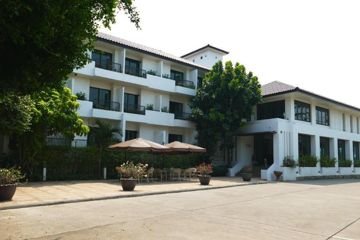
A town-centre stay can support Wat Phumin and make Chae Haeng a deliberate excursion across the river. An east-bank property may suit travellers with transport and a preference for staying outside the central streets. Neither choice is automatically the closest or most convenient for every part of a Nan trip.
As an editorial sequence, visit one temple for its central feature rather than treating the second as a duplicate: mural narratives at Wat Phumin, then the stupa, gilded surfaces and naga detail at Chae Haeng. Leave room for the road transfer and religious activity at each site. This produces a coherent cultural day without requiring a long provincial temple checklist.
Sources & visiting information
Sources checked on 29 October 2026. The guide identifies limits or conflicting visiting details where they affect the plan.